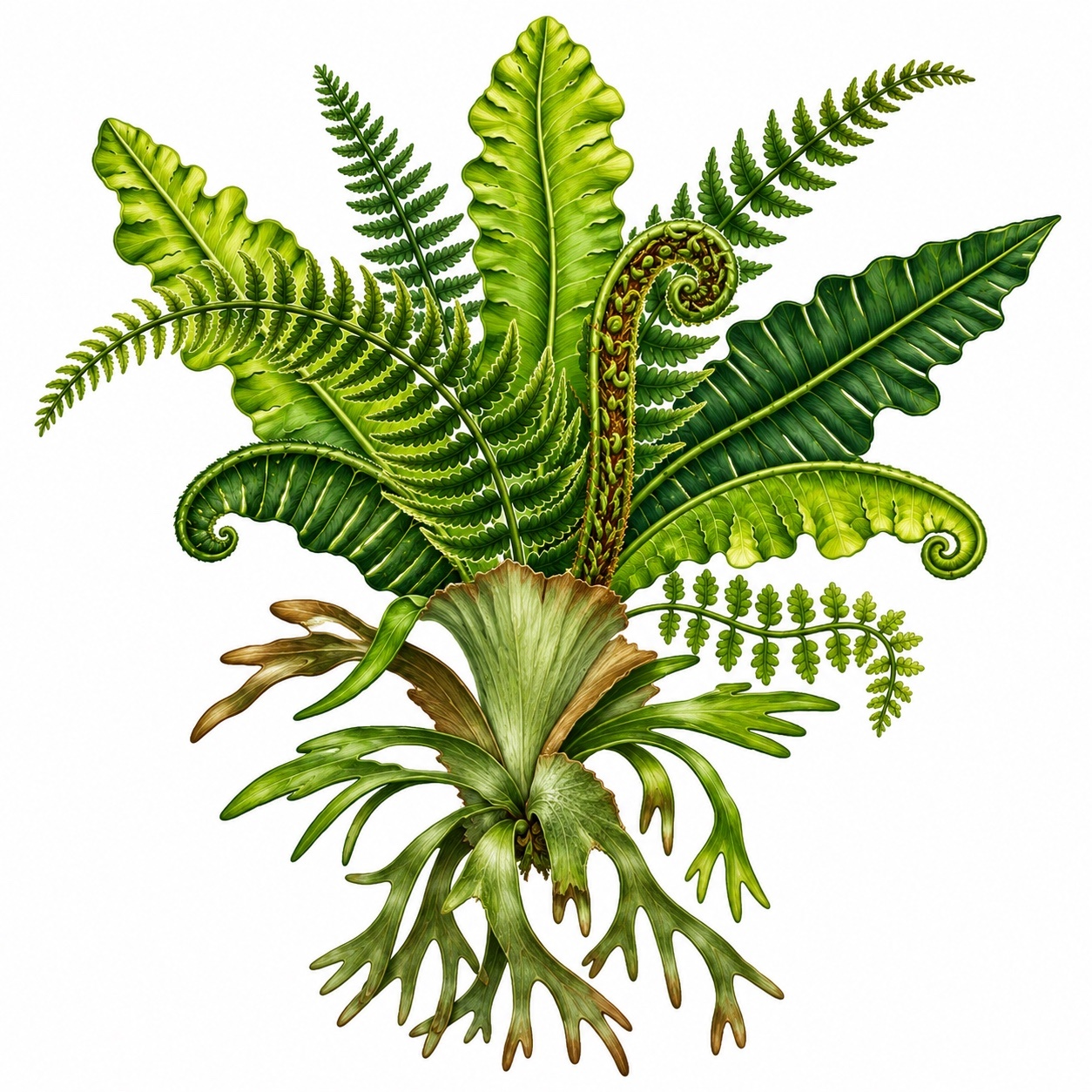
Tassel ferns
With patience and perseverance, tassel ferns can be both a rewarding challenge and a delight to grow.
Meet the fern allies
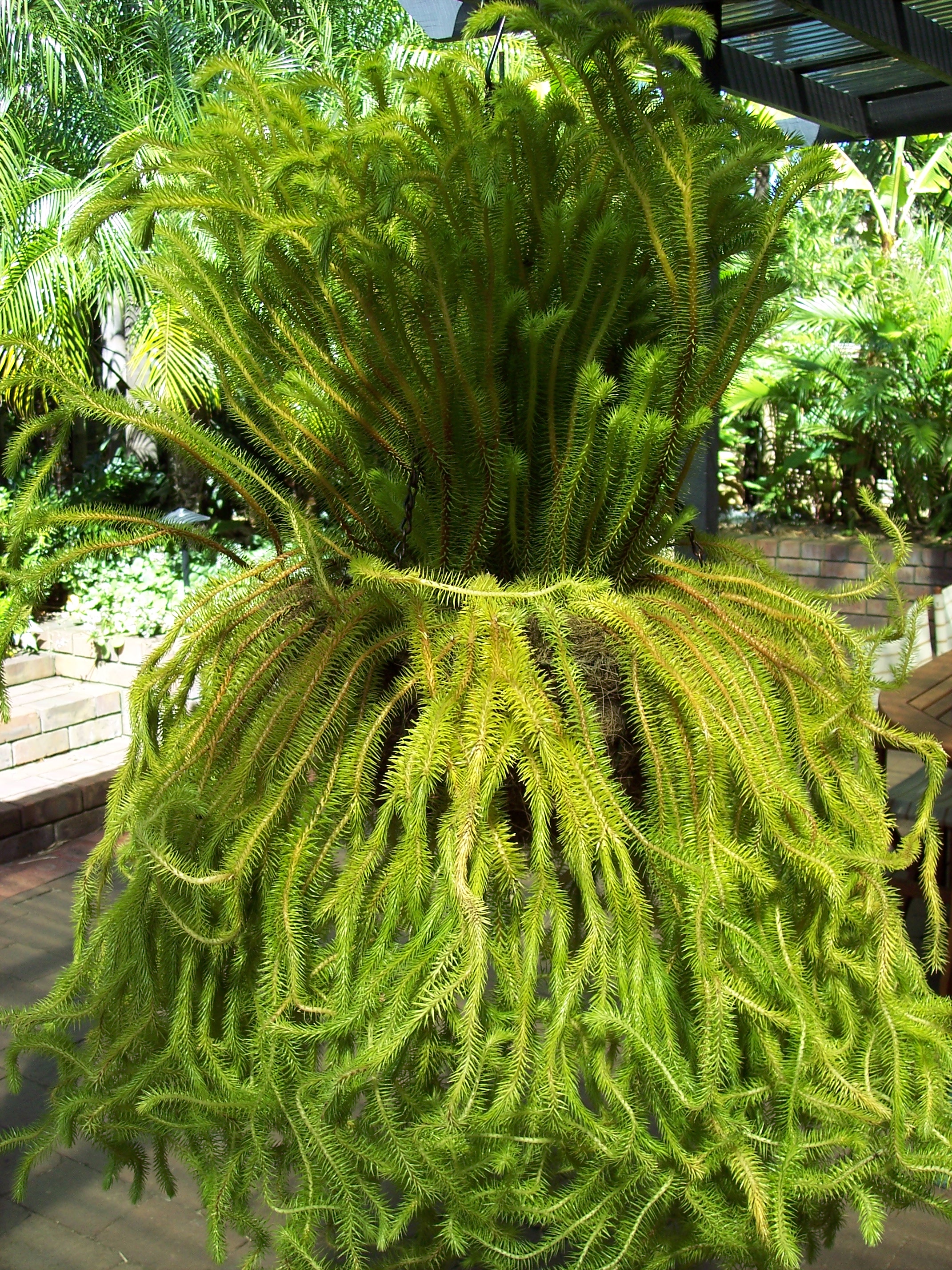
Tassel ferns belong to the family Lycopodiaceae. They are commonly grouped with ferns as “fern allies”. This note uses the Huperzia names familiar to many growers.
Many grow as epiphytes in tree forks or on rocks in moist forests and rainforests. They are often found at higher altitudes among mosses and other epiphytes.
Start with a free-draining epiphyte mix
Use a soil-less medium based on well-composted, small-to-medium pine bark chips. Add fine orchid mix, vermiculite, perlite, crushed charcoal and small amounts of good-quality peat and sphagnum moss.
Plants prefer to be under-potted rather than over-potted. Plastic pots with extra-large drainage holes are a good choice. Use plastic hangers where possible, as new galvanised metal hangers or chains can burn the fronds.
Provide bright light and shelter
A shade house beneath a Perspex roof allows watering to be controlled. Provide bright light without direct sun, some air movement and protection from strong winds. Shadecloth along the sides of a shade house or patio can provide shelter.
Caring for tassel ferns
Adjust watering with the seasons
Keep plants moist during warmer months and on the drier side in winter. Water in the morning so foliage can dry before nightfall, when falling temperatures can leave plants vulnerable to rot or fungal problems.
Feed lightly and watch for scale
During warmer months, apply a half-strength liquid fertiliser every two weeks. Pests are uncommon, but inspect plants for coconut scale. Seek current advice for treatment of an identified infestation.
Propagation takes patience
Tassel ferns can be propagated by division or stem cuttings. Cuttings may take one to three years to form roots; layering can be a faster method. Slow growth also contributes to their purchase price.
Plants to try
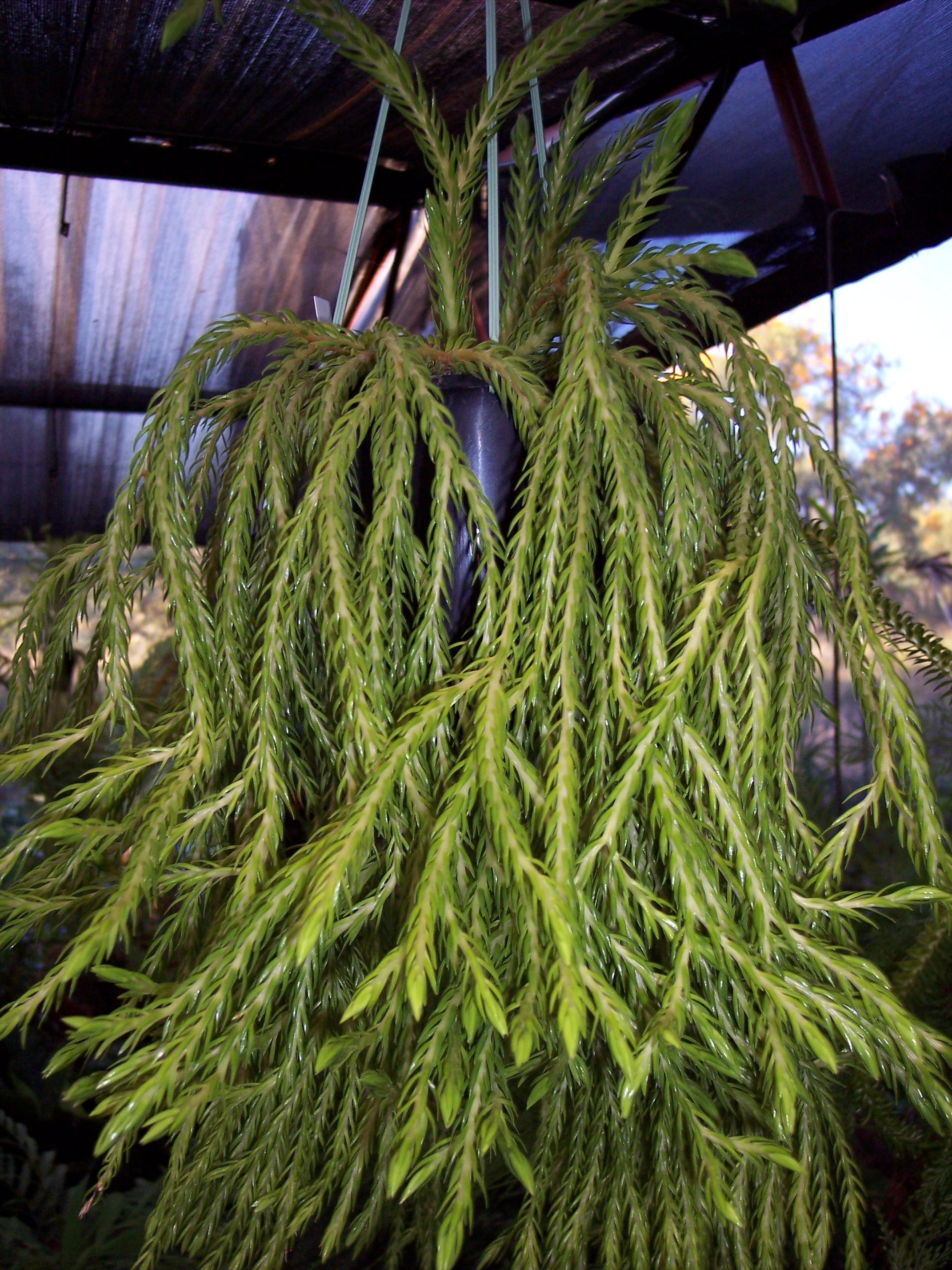
The original article recommends these as relatively hardy choices: Huperzia squarrosa (Rock Tassel); “Coen Blue” in fine and coarse forms; H. phlegmaria and varieties; and H. prolifera.*
* The final name was supplied as “Huperzia proliferu”. H. prolifera is a likely interpretation, to be confirmed before publication.